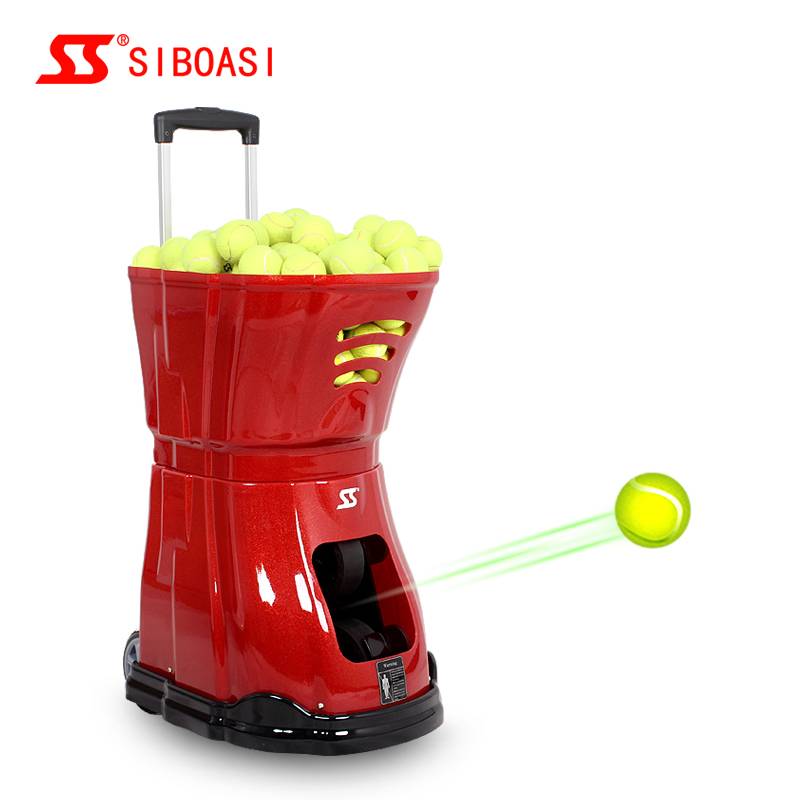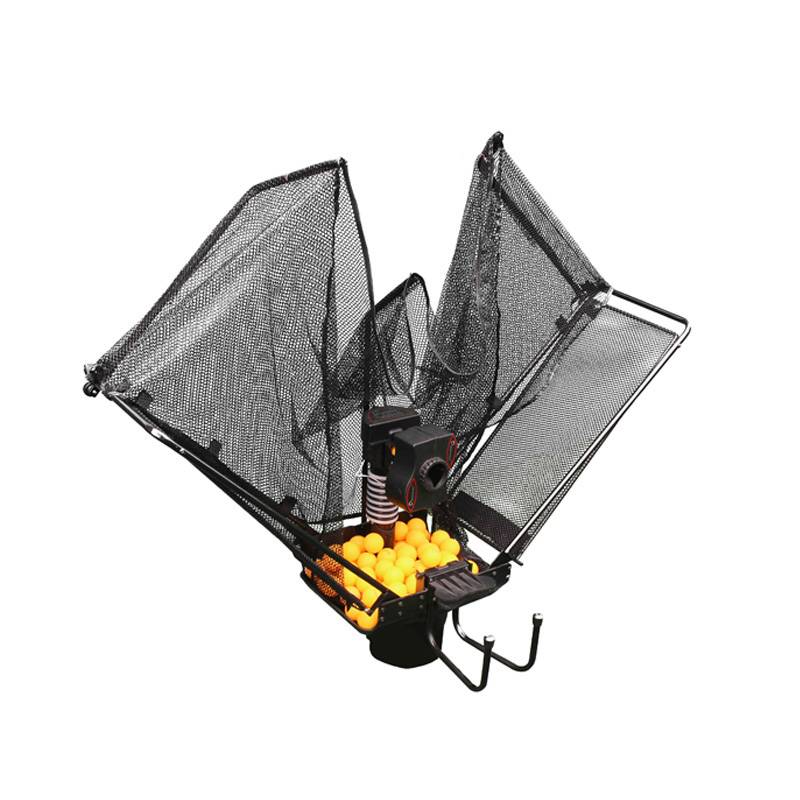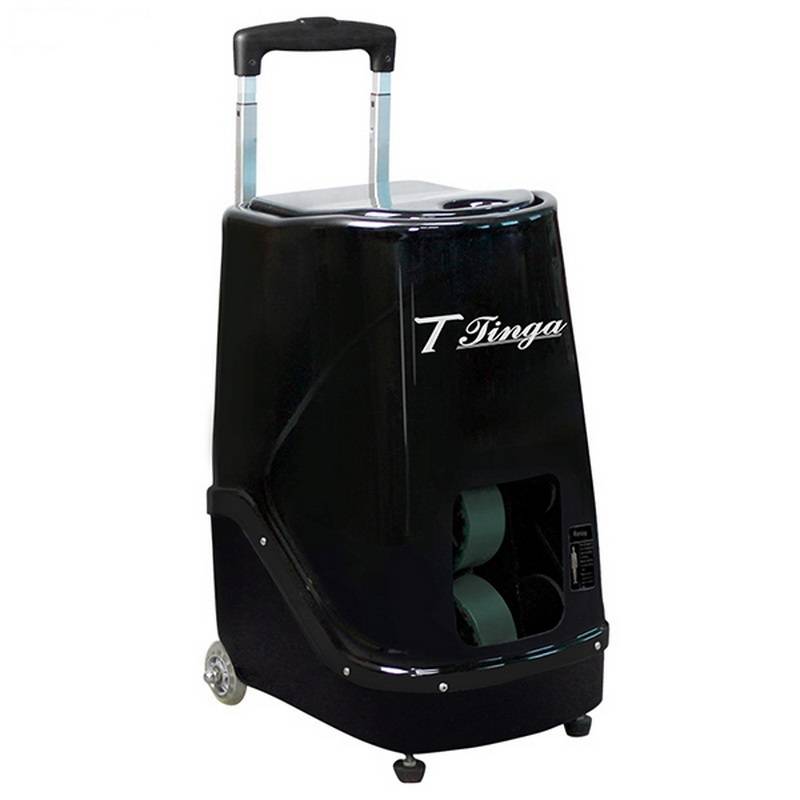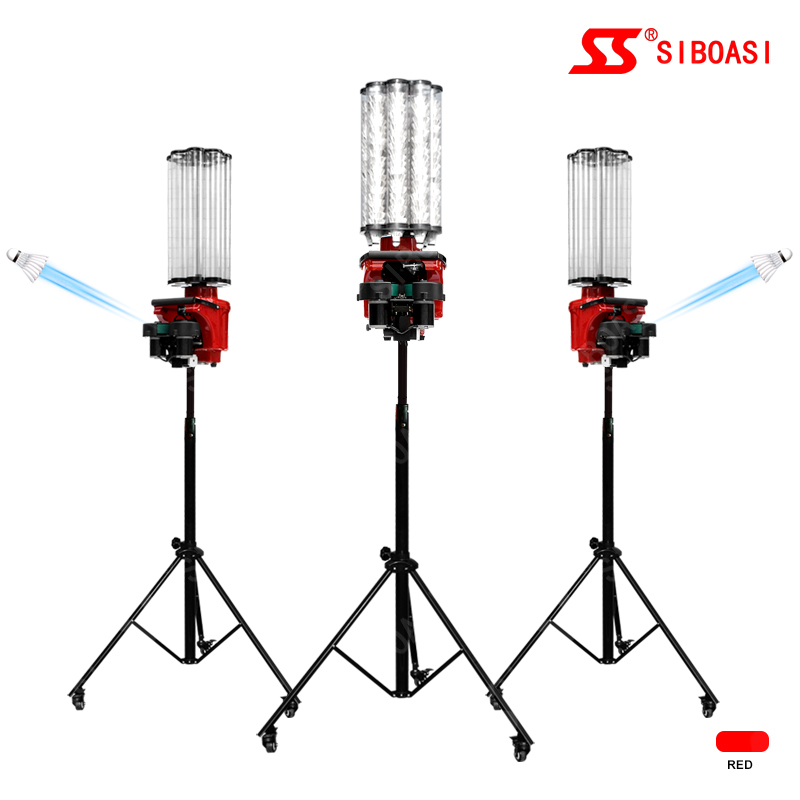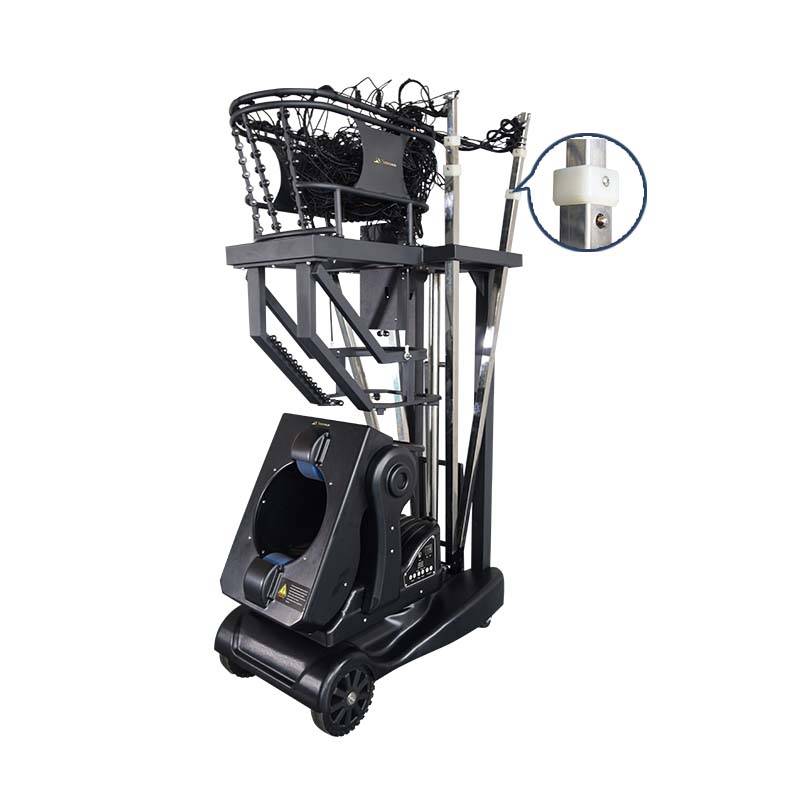
As someone who's been in the tennis industry for years, I understand the importance of having reliable equipment. When it comes to tennis ball feeders, the cost can vary, but investing in a high-quality feeder is a game changer. I’ve seen how a well-made feeder can enhance training sessions, giving players more practice without the hassle of manual feeding. I’ve sourced my feeders from trusted suppliers who are known for their durable products and excellent customer service. These feeders not only stand the test of time but also provide consistent performance, ensuring your investment is worthwhile. Whether you’re outfitting a facility or looking to improve your coaching tools, understanding the tennis ball feeder cost will help you make a valuable decision. Getting a high-quality feeder can elevate your training experience and take your players to the next level. Don't hesitate to reach out for options that fit your budget and meet your specific needs!
In the competitive world of sports equipment, the cost of tennis ball feeders has become a vital consideration for global buyers looking to enhance their training facilities or retail offerings. As we analyze the current year's pricing trends, it's evident that the market has experienced a shift due to advancements in technology and manufacturing processes. Quality remains paramount, and while some may lean towards the cheapest options, investing in reliable feeders that are built to last can lead to greater returns in the long run. The growing emphasis on performance and adaptability in training aids reflects the needs of both amateur and professional players alike. Buyers are gravitating towards feeders that offer flexibility in shot selection, adjustable settings, and ease of use. Moreover, ongoing innovation in design ensures that these products not only meet but often exceed expectations in durability and efficiency. As a result, it's essential for procurement professionals to assess the overall value rather than just the upfront cost, ensuring that every investment contributes positively to both training outcomes and player satisfaction. As the industry standard evolves, it becomes crucial for retailers and suppliers to stay informed about the latest developments in product offerings and pricing strategies. By understanding market demands and leveraging insights into consumer preferences, businesses can make informed decisions that optimize their supply chains and enhance their competitive edge. A focus on both quality and value will ensure a sustainable investment in sports equipment that resonates with the needs of global customers.
| Feeder Type | Capacity | Feed Rate (Balls/min) | Power Source | Weight (lbs) | Durability Rating |
|---|---|---|---|---|---|
| Manual Feeder | 50 | 10 | None | 5 | Medium |
| Electric Feeder | 75 | 30 | Electric | 10 | High |
| Remote Control Feeder | 60 | 25 | Electric | 9 | High |
| Portable Feeder | 40 | 15 | Battery | 8 | Medium |